From the heights of Mount Paektu, holding high a drawn sword, I look
Across the sky of the land-hemmed in between aliens north and south;
When, o when, will the dust of strife settle in the north, in the south?
General Nam I, 1441-1468
Showing posts with label Palace. Show all posts

Friday, July 1, 2011

Palace Walls and Gates 궁성과 문

Palace Walls 궁성 (宮城)


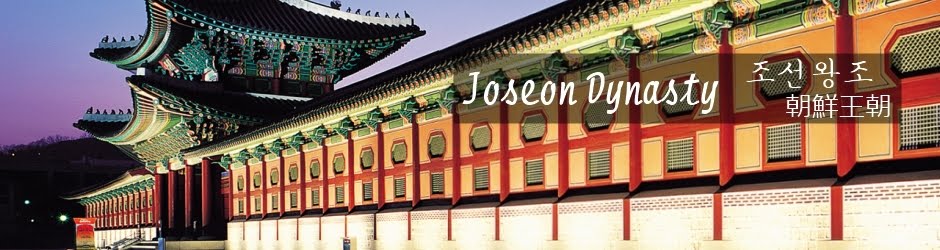
These refer to high walls surrounding the palace. They were built in 1398(the seventh year of King Taejo's reign) in the east, south and west. The Geonchunmun, Gwanghwamun and Yeongchumun gates were built into the walls. The northern wall was constructed later, along with the north gate, Sinmumun. The palace walls basically formed a rectangle and on the left and right side of the front were two watchtowers, Dongsibjagak and Seosibjagak. Even after all the palace buildings were burned down during the Japanese Invasions in the late 16th century, the walls of Gyeongbokgung protected the palace grounds from the general public. When the palace was rebuilt during King Gojong's reign, the walls were repaired.


cr: royalpalace.go.kr - english site


궁성은 궁을 둘러싸고 있는 높은 담장을 이른다. 경복궁의 궁성은 1398(태조7) 동쪽, 남쪽, 서쪽이 조성되었으며, 이때 궁성문인 건춘, 광화, 영추문도 세워졌다. 보다 뒤에 북쪽 담장이 완성되고 북문인 신무문도 갖추어졌다. 궁성은 거의 네모난 형태를 이루고 있고 전면 좌우 끝에는 각루(角樓) 동십자각과 서십자각이 있다.

경복궁의 궁성은 임진왜란으로 궁궐 건물이 모두 소실되었을 때에도 일반 백성들로부터 궁궐터를 보호하는 역할을 하였다. 고종 년간 경복궁 중건 궁성이 단장을 하게 되었지만 일제강점기에 앞부분이 헐려 나가고 한국전쟁 파손되었다. 현재의 궁성은 이후 여러 차례 고쳐 쌓은 것이고, 일부는 본래 위치보다 안으로 들여 쌓은 상태이다.


cr: royalpalace.go.kr - korean site 

Gwanghwamun 광화문 (光化門)


Gwanghwamun 광화문 (光化門) was founded in 1395 by the first king of the Joseon Dynasty, and is the main gate of Gyeongbukgung Palace. Literally translated, its name means “may the light of enlightenment blanket the world”, and implies the resounding dedication the people of the Joseon Dynasty had in creating a new dynasty. Constructed solely out of granite, its center is an entrance that resembles a rainbow, called Hongyemun. Above that is a gate tower. 

Gwanghwamun holds a painful memory in Korean history. During the Japanese occupation of Korea, the Japanese governing general, in order to kill the spirits of the Korean citizens, destroyed the gate and built his own government building. The present appearance of the gate is that of 1968 when it was rebuilt using concrete, and it’s about 10m behind the original spot. Though Gwanghwamun is the most beautiful of the five palace gates, it was not designated by the Korean government as a national treasure because it is made purely of concrete. The government is now in the process of destroying the Japanese building and restoring the palace. 

Gwanghwamun has its name written on a sign on the gate, and it was personally written by then-president Park Jeong-Hui. On either side of the gate you can see “Haetae,” looking southward. Haetae is a mythical unicorn-lion that is said to protect palaces from fire. According to Pungsujirisang, there was fire element around Gwanaksan Mountain, so in order to protect the palace from fire from the mountain, these fire-eating Haetaes was put beside the gate.


Thursday, June 30, 2011

The Palace 궁전


Introduction

It was in 1395, three years after the Joseon Dynasty was founded by Yi Seong-gye (King Taejo), when the construction of the main royal palace was completed and the capital of the newly founded dynasty moved from Gaeseong to Seoul (then known as Hanyang). The palace was named Gyeongbokgung, the "Palace Greatly Blessed by Heaven." With Mount Bugaksan to its rear and Mount Namsan in the foreground, the site of Gyeong-bokgung Palace was at the heart of Seoul and, indeed, deemed auspicious according to the traditional practice of geomancy. In front of Gwanghwamun Gate, the main entrance to the palace, ran Yukjo-geori (Street of Six Ministries, today's Sejongno), home to major government offices. Along the central axis upon which Gwang-hwamun Gate stood was the nucleus of the palace, including the throne hall, reception hall and king's residence.


The government ministry district and main buildings of Gyeongbokgung Palace formed the heart of the capital city of Seoul and represented the sovereignty of the Joseon Dynasty. After all the palaces in the capital were razed by the Japanese during the Hideyoshi invasions of 1592-'98, Changdeokgung, a secondary palace, was rebuilt and served as the main palace. 


Gyeongbokgung Palace was left derelict for the next 250 years. It was finally reconstructed in 1868 by the order of the Prince Regent. The palace the Prince Regent created was markedly different from the original. Some 500 buildings were built on a site of over 40 hectares and constituted a small city. The architectural principles of ancient China were harmoniously incorporated into both the tradition and the appearance of the Joseon royal court. 


Gyeongbokgung Palace was largely torn down during the Japanese occupation. Eighty-five percent of the restored buildings were dismantled, Gwanghwamun Gate was removed, and an enormous building housing the Japanese Government-General was constructed in front of the main sector of the palace. An effort to fully restore Gyeongbokgung Palace to its former glory has been ongoing since 1990. The colonial Government-General building was removed, and Heungryemun Gate was restored to its original state. The royal quarters and the East Palace for the crown prince were also restored to their original state.


Post Credits

  © Joseon Dynasty by zybeel

Back to TOP